| |
The Ethnoarchaeology of Salt Production in the Lake Cuitzeo Basin, Michoacán, México
List of Figures
Figure 1. The Lake Cuitzeo Basin, Michoacán, México, indicating major salt-making sites, as well as those towns that paid salt as tribute in the sixteenth century.
Figure 2. Salt-making unit, known as finca, indicating all features and work areas.
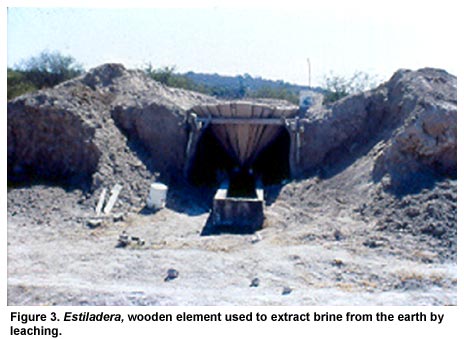
Figure 3. Estiladera, wooden element used to extract brine from the earth by leaching.
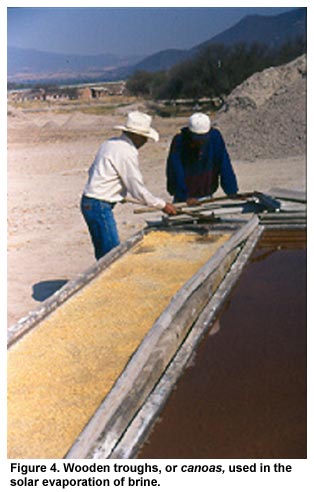
Figure 4. Wooden troughs, or canoas, used in the solar evaporation of brine.
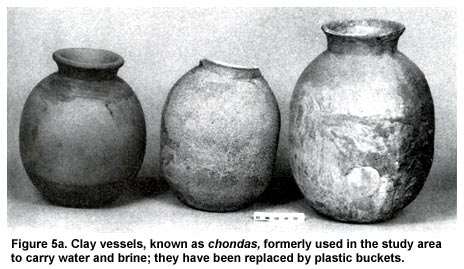
Figure 5a. Clay vessels, known as chondas, formerly used in the study area to carry water and brine; they have been replaced by plastic buckets.
Figure 5b. Pottery fragments found during the 2003 field season. They may have been used in ancient times to store or transport water and brine.
Figure 6. Shallow pools, like the ones excavated in the bedrock near Chucándiro, at the western tip of Lake Cuitzeo, may have been used in Prehispanic or Colonial times for the solar evaporation of brine.
Figure 7. This mound of leached soil, locally known as a terrero, results from the accumulation of discarded earth after each salt-making operation.
Figure 8. This canal is used to take water from the springs to the fincas. The water’s high mineral content has "fossilized" this feature.
Previous Page | Table of Contents | Next Page |